
Every great cup of coffee begins long before the first sip.
Before coffee becomes aromatic, flavourful and beautifully roasted, it starts as a small green seed. Through carefully controlled heat, time and airflow, green coffee beans undergo a remarkable transformation.
This is the coffee roasting process—the stage where the natural characteristics of the bean are developed and transformed into the aromas, flavours and colours we associate with coffee.
At Kaldi Africa, roasting is where the character of coffee comes to life.
So, what actually happens when coffee is roasted?
Let's take a journey from green coffee beans to the perfect cup.
It All begins with Green Coffee Beans
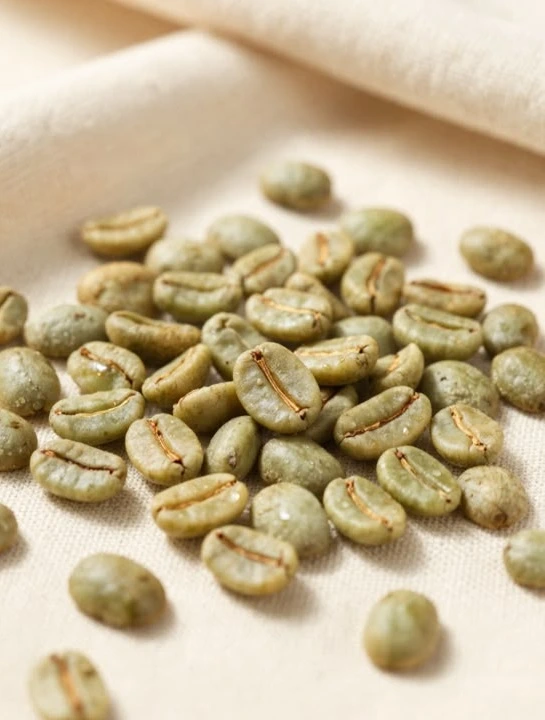
Before roasting, coffee beans are green, dense and very different from the familiar brown beans we grind for brewing.
Green coffee contains compounds that act as important precursors for the flavours and aromas that develop during roasting. The coffee's origin, variety, growing conditions and processing all contribute to its potential flavour profile.
At this stage, the beans may not look or smell like the coffee we know.
But everything is about to change.
The transformation begins with heat.
2. The Coffee Goes Into the Roaster
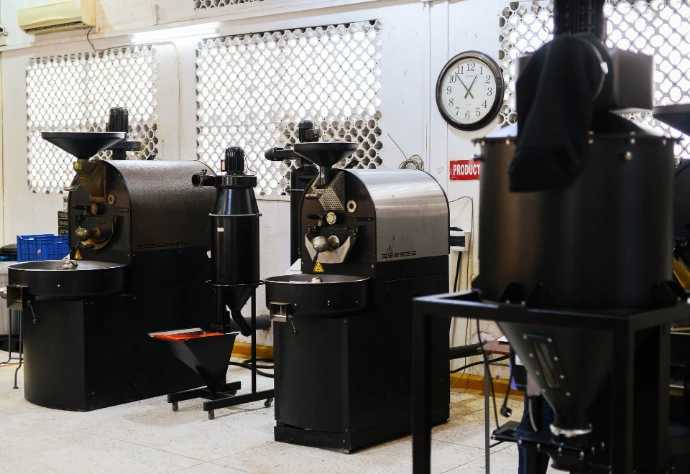
The green coffee beans are introduced into a heated coffee roaster, where temperature and airflow are carefully controlled.
As the beans heat up, moisture begins to escape. Their colour gradually changes, their structure transforms and their aroma starts to develop.
Coffee roasting isn't simply about making beans brown. It is about carefully controlling time, temperature and development to bring out the characteristics of the coffee.
This is where the skill of the roaster becomes essential.
Every roast is a carefully guided transformation.
3. The Chemistry Behind the Aroma
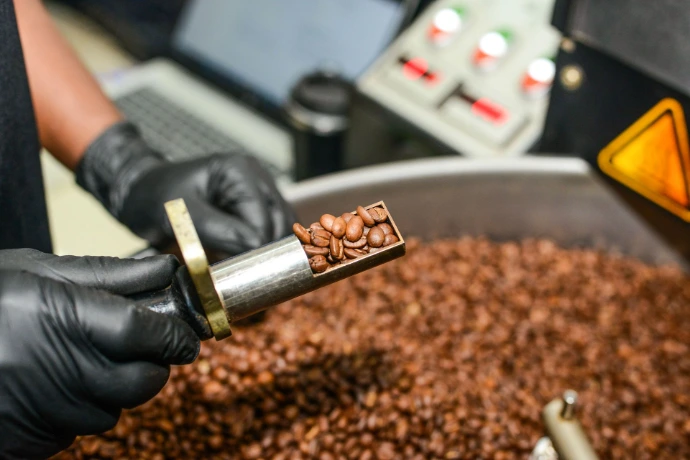
As temperatures rise, a series of chemical reactions transform the green beans.
One of the most important is the Maillard reaction, where heat drives reactions involving sugars and amino acids. These reactions contribute to the brown colour and help create many of the aromas and flavours associated with roasted coffee.
This is where the coffee begins to develop its familiar roasted character—bringing forward notes that can range from nutty and caramel-like to chocolatey, fruity and more complex.
Heat creates the transformation. Skill shapes the result.
4. The First Crack
Then comes one of the most important moments in the roast: the first crack.
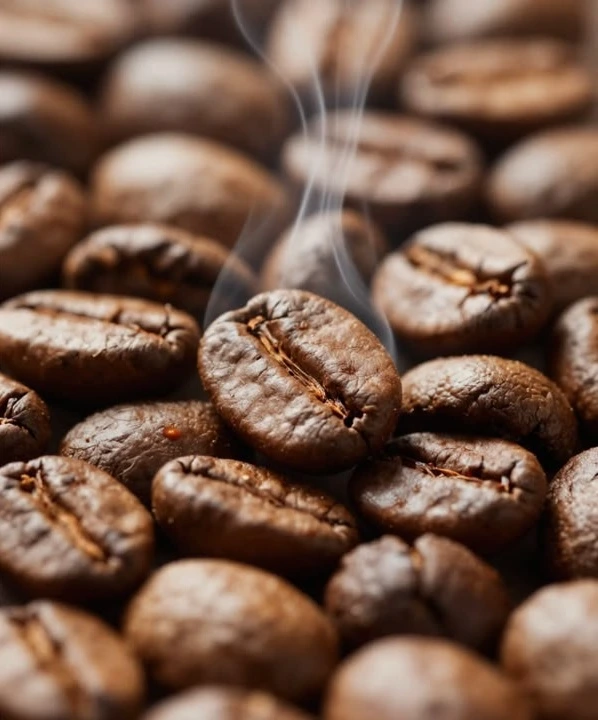
As the beans heat further, pressure builds inside them. The beans expand and begin to crack audibly, much like popcorn.
This marks a significant stage in the development of the roast. The structure of the bean has changed dramatically, and the aromas and flavours continue to evolve.
For the roaster, this is a moment that demands attention.
Listen closely. The coffee is telling you what it needs.
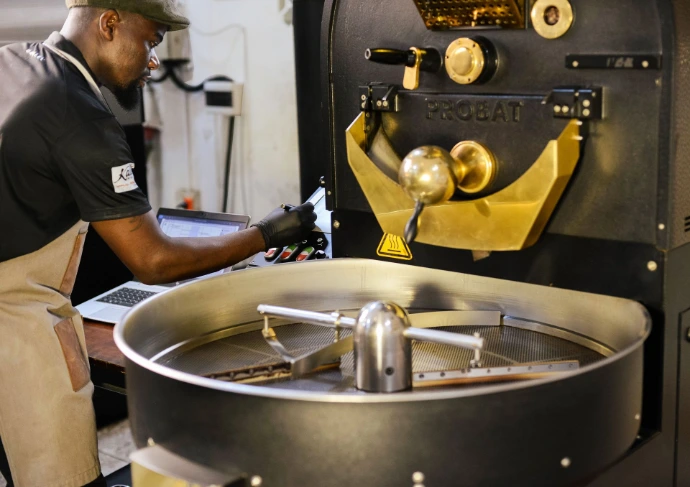
5. Developing the Roast
After first crack, the roast continues to develop.
This stage requires precision. Too little development can leave the coffee underdeveloped, while too much heat or time can overpower the characteristics that make a particular coffee special.
Roast level also influences the final expression of the coffee. Light, medium and dark roasts can bring different balances of acidity, sweetness, bitterness, body and aroma.
This is where the experience of the roaster becomes essential.
The goal isn't simply a darker or lighter bean. It's the right roast for the coffee.
This stage requires precision. Too little development can leave the coffee underdeveloped, while too much heat or time can overpower the characteristics that make a particular coffee special.
Roast level also influences the final expression of the coffee. Light, medium and dark roasts can bring different balances of acidity, sweetness, bitterness, body and aroma.
This is where the experience of the roaster becomes essential.
The goal isn't simply a darker or lighter bean. It's the right roast for the coffee.
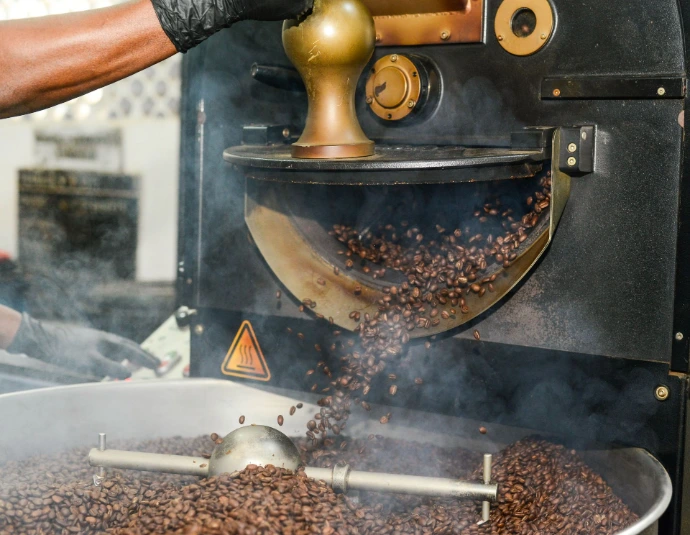
6. From Green to Golden Brown
Once the roast reaches its intended development, the beans are removed from the roaster and rapidly cooled.
What began as a dense green seed has now become a fragrant, porous roasted coffee bean filled with aromatic compounds.
Roasting also creates carbon dioxide within the bean. Much of this gas remains trapped in the bean after roasting and gradually escapes during a process known as degassing.
The transformation is complete but the coffee is still changing.
What began as a dense green seed has now become a fragrant, porous roasted coffee bean filled with aromatic compounds.
Roasting also creates carbon dioxide within the bean. Much of this gas remains trapped in the bean after roasting and gradually escapes during a process known as degassing.
The transformation is complete but the coffee is still changing.
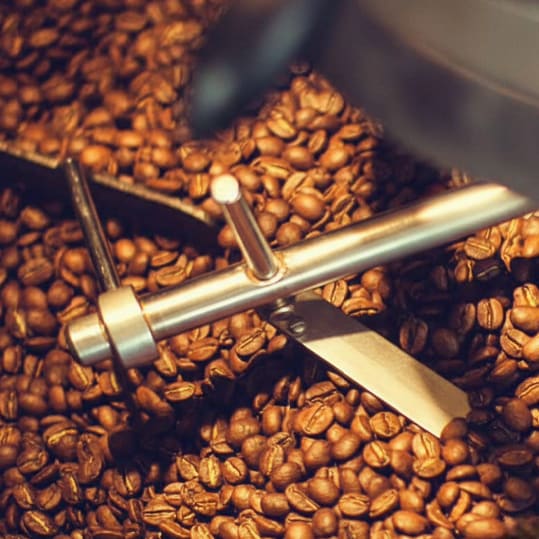
7. The Roasted Coffee Needs to Rest
Freshly roasted coffee continues to release carbon dioxide and aromatic compounds after leaving the roaster.
This is why freshly roasted coffee benefits from an appropriate resting period before brewing. During this time, the coffee continues to settle and release trapped gases.
Once ground, degassing happens much faster because grinding dramatically increases the coffee's exposed surface area.
Freshness isn't just about when coffee was roasted. It's about how that coffee is handled afterwards.
This is why freshly roasted coffee benefits from an appropriate resting period before brewing. During this time, the coffee continues to settle and release trapped gases.
Once ground, degassing happens much faster because grinding dramatically increases the coffee's exposed surface area.
Freshness isn't just about when coffee was roasted. It's about how that coffee is handled afterwards.

8. And Then Comes the Perfect Cup
Finally, the journey reaches the cup.
Water extracts the soluble compounds developed during roasting, bringing together the aromas, flavours and characteristics of the original coffee.
From the green bean to the roast, every stage has contributed something to the final experience.
That is why coffee can be so much more than a morning beverage.
It is a journey of origin, transformation, craft and flavour.
Water extracts the soluble compounds developed during roasting, bringing together the aromas, flavours and characteristics of the original coffee.
From the green bean to the roast, every stage has contributed something to the final experience.
That is why coffee can be so much more than a morning beverage.
It is a journey of origin, transformation, craft and flavour.